

Patient guide · Singapore to Johor Bahru
Loose or Broken Dentures in JB: Repair, Reline or Replace?
When a denture starts moving during meals or a piece breaks before your planned JB trip, the practical question is what to do next. For Singapore residents, a useful plan includes an assessment, any laboratory work and the possibility of a return visit—not just a price for fixing the visible damage.
Educational information · November 2026 · Treatment suitability, available services and fees require confirmation with the clinic.
Quick answer
A damaged denture may need a repair, a change to its fitting surface, or a replacement. These solve different problems. A dentist needs to examine both the appliance and your mouth before deciding. Contact a dentist promptly, keep any broken pieces, and confirm the clinic's service and appointment arrangements before travelling from Singapore. NHS denture guidance
Repair, reline or replace: what is the difference?
| Option | What it addresses | What to ask at the appointment |
|---|---|---|
| Repair | A damaged component, such as a broken denture tooth or clasp | Is the rest of the denture still suitable, and what caused the break? |
| Reline | A fitting-surface adjustment when the supporting tissues and fit have changed | Is the existing base and bite suitable for a reline? |
| Replacement | A new appliance rather than another alteration to the old one | What design, material and follow-up plan would suit the current mouth? |
A repair is a way of restoring a damaged part; it is not automatically an answer to poor fit. An appliance that breaks repeatedly needs more than a discussion about the latest crack. Ask whether the proposed work deals with the underlying problem. NHSBSA explanation of denture repairs
The dentist may discuss alternatives after assessment. That does not mean you need to choose the most expensive option. Ask for an explanation of what is being kept, changed or remade, and why.
What should you do before the appointment?
Keep the denture and all the pieces in a protective container. Take a clear photo if it helps you explain where the damage is, but do not treat a photo response as a diagnosis. Bring details of when the appliance was made and whether it has already been repaired.
Do not use household glue, attempt to reshape the appliance or file down a sharp area yourself. Leeds Teaching Hospitals advises against self-repair or adjustment. If wearing it causes pain or it is very loose, contact a dentist for advice rather than continuing to use it for a cross-border day out. NHS urgent dental-care advice
If you have breathing or swallowing difficulty, major swelling or uncontrolled bleeding, seek urgent care where you are. Do not delay urgent assessment to travel to a preferred clinic across the border. NHS England dental urgency guidance
Can every denture material be repaired in the same way?
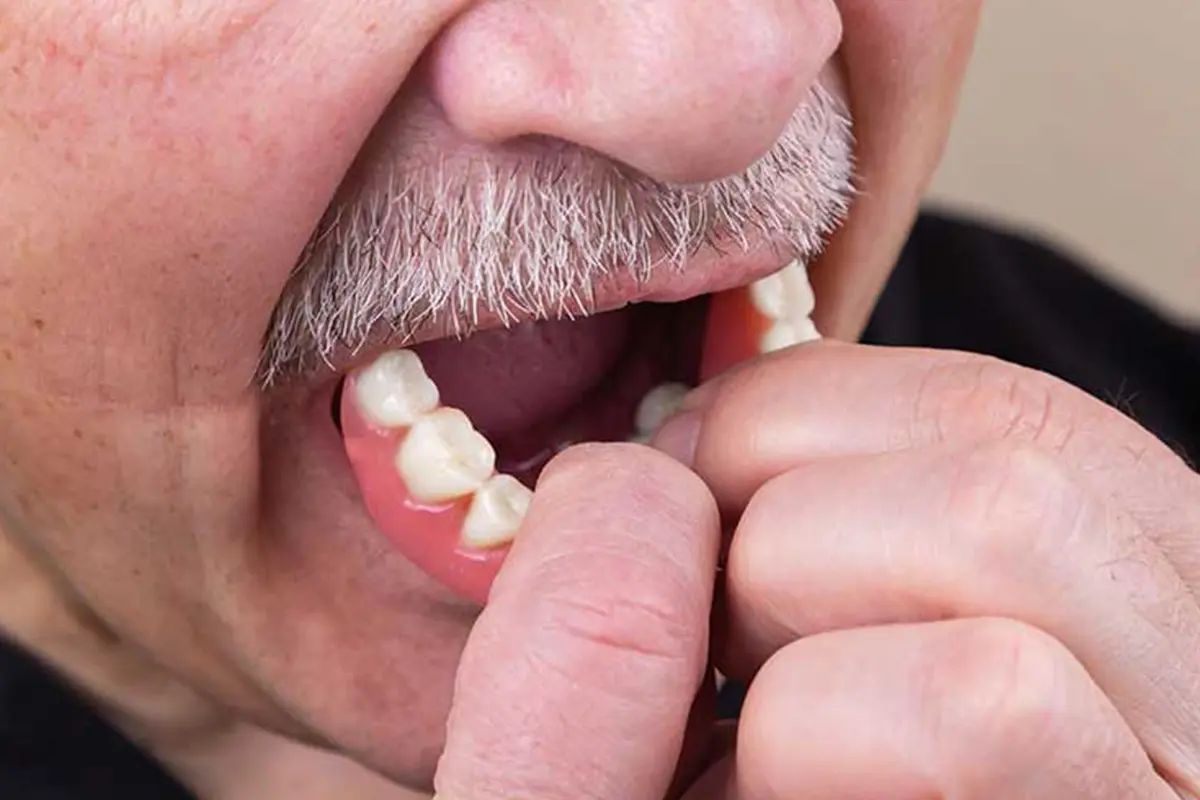
Do not assume that “denture repair” describes the same work for every appliance. Tell the clinic if yours is acrylic, a flexible partial denture, a metal framework or another material. If you are unsure, send a photo and bring the appliance for identification.
Useful questions are: “Can this material be repaired by your laboratory?”, “Would the repair change its fit?” and “If this breaks again, what would the next option be?” A material name alone cannot answer these questions. Ask for the laboratory's assessment where relevant.
For background on the options already covered on our website, read flexible versus acrylic dentures and the guide to flexible partial dentures. These explain broader choices; they cannot determine whether a particular broken appliance can be repaired.
Planning a denture appointment from Singapore
Before booking transport, ask whether the clinic assesses your type of denture and whether repair or reline work can be arranged if appropriate. Then separate the appointment into three questions:
- Assessment: what can be decided at the first visit, and do you need to bring older dentures or records?
- Work and collection: does the appliance need to go to a laboratory, and how will collection be arranged?
- Aftercare: what happens if the appliance feels uncomfortable after you return to Singapore?
Avoid building your day around an assumed same-day repair. Ask for an estimated schedule after the appliance has been assessed, including what might change that schedule. If you need the denture for work, eating or a family event, explain the date before accepting the plan.
Discuss whether you will be without the denture while work is done. A spare appliance may be useful to bring, but the dentist should decide whether it is suitable to wear.
Compare the total cost of the plan
A useful quotation identifies the examination, any laboratory work, fitting and adjustments. Ask which parts are included and whether further treatment would require a new quotation. A brief message about a broken tooth on a denture should not be mistaken for a final treatment price.
For a Singapore-based visitor, add transport, parking, time away from work and possible repeat travel. If the quote is in MYR, convert it using the rate and fees available from your own payment provider when you pay. Do not rely on a fixed exchange rate or a promised percentage saving.
Compare plans with the same scope. A repair quotation and a new denture quotation are not competing prices for identical work. Ask the dentist to explain the expected benefit and limitations of each option before deciding.
What to send in an appointment enquiry
- Which denture is affected: upper, lower or a small partial appliance.
- What changed: a crack, missing tooth, looseness, pain or difficulty chewing.
- When it started, and whether there was a drop or impact.
- Any material or laboratory information you already have.
- Your available JB dates and whether a return visit is possible.
Send only the information the clinic needs through its agreed channel. Bring the original appliance even if you have already shared photographs. You can use the Beauty Brace Dental contact page to ask about assessment arrangements and confirm whether the relevant work can be provided.

Frequently asked questions
Can I get a broken denture repaired on the same day in JB?
Do not assume so. Ask the clinic to confirm what can be assessed, whether laboratory work is needed and how collection would work. Any timing depends on the appliance, proposed work and availability.
Should I replace a denture that keeps becoming loose?
Ask for a fit and bite review rather than deciding from the age of the appliance alone. The dentist can explain whether an adjustment, reline, repair or replacement addresses the current problem.
Can I bring a denture made by another clinic?
Ask before travelling. Bring the appliance, any material details and repair history so the dentist can decide whether it can be assessed and what further information is needed.
Is a short trip to JB enough?
It may be enough for an assessment, but treatment and aftercare can require a different schedule. Confirm the planned visits and leave room for a review rather than treating the appointment as a guaranteed day-trip repair.
Sources and further reading
- NHS: dentures and when to see a dentist.
- NHSBSA: what a denture repair covers.
- Cambridge University Hospitals: relining and replacing dentures.
- Leeds Teaching Hospitals: partial denture care.
- NHS dental service: loose or uncomfortable dentures.
- NHS England: dental urgency guidance.
This guide is educational. A dentist must assess your mouth and appliance to recommend treatment. Confirm available services, fees and appointment arrangements with the clinic.
Plan the appointment before the journey
Tell Beauty Brace Dental what you need assessed and that you will be travelling from Singapore. Ask about service availability, the appointment schedule and follow-up arrangements before booking travel.